EV Mandates and the Surge in High-Strength Automotive Plastic Components

In 2023, the U.S. Environmental Protection Agency (EPA) proposed updated vehicle emissions standards requiring 56% of all new car sales to be electric by 2032. Meanwhile, California and 13 other states following CARB (California Air Resources Board) rules have committed to 100% zero-emission new vehicle sales by 2035.
While the current administration may revise or slow federal targets, automakers are still ramping up EV production due to consumer demand. Industry experts predict continued growth in the next decade due to rising fuel costs and environmental concerns. Globally, the shift is even faster. Europe and China aggressively enforce zero-emission timelines, creating ripple effects throughout the supply chain.
OEMs and Tier 1 suppliers must stay agile, reduce emissions, and lower vehicle weight. That’s where high-strength automotive plastic components play a critical role. These materials help manufacturers meet evolving regulations while improving range, reducing cost, and maintaining structural performance.
The Regulatory Push Toward Lightweight Design
States like California and others following CARB standards are pushing for 100% zero-emission vehicle sales by 2035. Even if some federal rules are delayed or softened, global trends and state-level targets continue to drive change.
To stay competitive, auto manufacturers are redesigning vehicles to meet these expectations—and plastics are playing a bigger role than ever. Lightweight components help offset the mass of EV batteries, allowing vehicles to maintain range and performance without sacrificing safety or comfort.
Why EVs Need Better Plastics
Electric vehicles place unique demands on part performance. Batteries are heavy. Space is tight. And every ounce counts. Automakers are using more plastic components than ever to:
- Offset the weight of battery packs
- Improve energy efficiency and extend vehicle range
- Reduce corrosion, especially in harsh environments
- Simplify designs and integrate multiple functions into one part
- Lower material and production costs without sacrificing strength
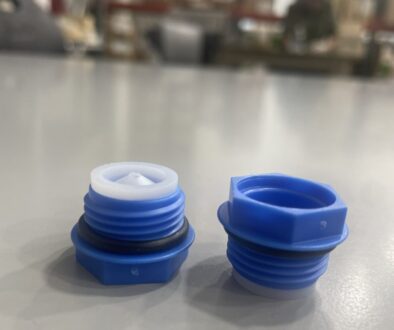
High-strength polymers are reshaping the automotive industry, from battery trays and cable brackets to interior trim and sensor housings.
The Reshoring Advantage: Why OEMs Are Sourcing Locally
As global supply chains remain unpredictable, more OEMs are looking for domestic injection molding companies to support EV growth. It’s not just about cutting shipping delays—reshoring improves quality control, accelerates design feedback, and protects intellectual property.
With our extensive experience in the automotive sector, Pacific Plastic Technology is a proven partner for brands looking to reduce risk and accelerate from prototype to production. We offer quality products, timely production, and a strategic advantage in the fast-moving EV market.
Built for the EV Market
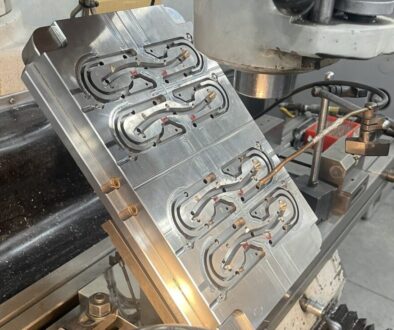
At Pacific Plastic Technology, we’ve spent decades supporting the automotive industry with precision-molded plastic components. Our 36,000 sq. ft. facility in Mesa, Arizona, has nine all-electric injection molding machines ranging from 90 to 610 tons.
We’re a trusted partner to Tier 1 and Tier 2 suppliers who need:
- High-performance thermoplastics
- Rapid prototyping and tooling support
- Tight tolerances and defect-free parts
- Fast, reliable delivery with U.S.-based service
- Production scalability—from short runs to full-volume
Pacific Plastics brings the perfect balance of experience, innovation, and flexibility to the EV plastic parts market.
Plastic Components We Commonly Mold for EVs
- Battery enclosures and trays – Lightweight and durable for power system support
- Sensor and connector housings – High precision for safety-critical tech
- HVAC and cooling system parts – Designed for thermal performance
- Structural reinforcements and brackets – Often using filled or reinforced resins
- Interior trim and mounting hardware – Lightweight and highly customizable
Need something custom? We can work with your team to develop and mold specialized components that meet exact performance and design standards.
Looking Ahead: EV Growth Isn’t Slowing Down
Even with some political uncertainty, the road to electrification is still wide open. Consumer interest, international standards, and the clear economic advantages of EVs continue to move the industry forward. Lightweight, high-strength plastics will remain central to that evolution.
Pacific Plastic is Ready to Support Your EV Plastic Part Needs
If you’re looking for a U.S.-based partner who understands the automotive industry and delivers precision-molded parts you can count on, let’s talk.
(909) 987-4200