How the Strait of Hormuz Crisis Is Disrupting the Plastics Industry and What It Means for U.S. Manufacturers
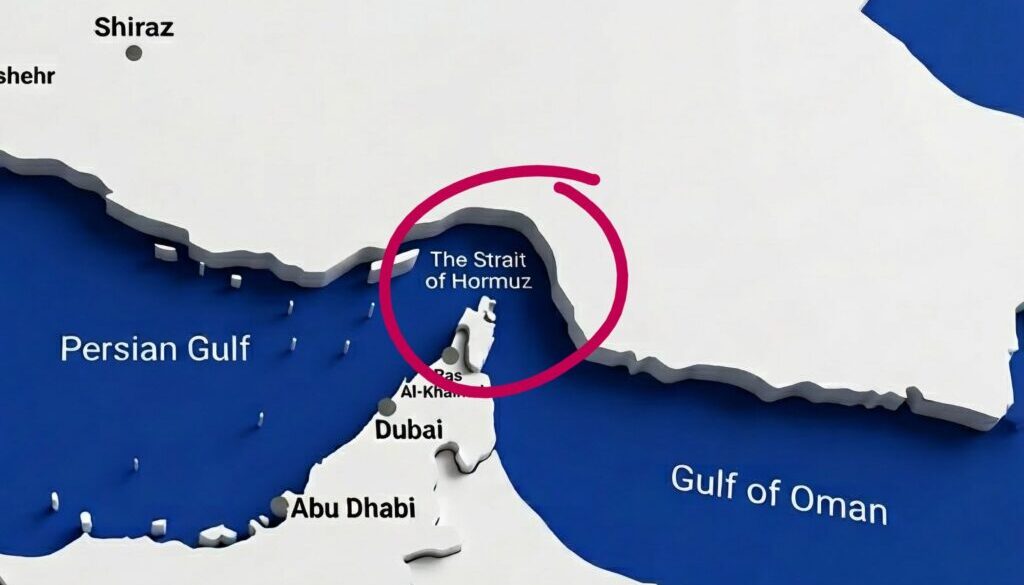
Global plastics markets are facing one of the most severe supply shocks in over a decade and it all traces back to a single chokepoint: the Strait of Hormuz. As conflict in the Middle East escalates, oil and natural gas shipments through this narrow waterway have slowed to a crawl, triggering immediate consequences for resin producers and plastics manufacturers worldwide.
Conflict in the Middle East has effectively choked the Strait of Hormuz, driving global plastic resin prices up by as much as 30% to 55%. For companies that rely on stable resin supply, including injection molders like Pacific Plastic Technology, understanding the ripple effects is essential.
Why This Matters: Plastics Begin With Oil and Gas
Nearly 99% of all plastics are derived from fossil fuels, meaning any disruption in oil or LNG transport directly impacts the availability and cost of petrochemical feedstocks. When feedstock prices spike, polymer markets follow and right now, several major materials are under intense pressure.
Which Polymers Are Being Hit the Hardest?
The Strait of Hormuz is a major export route for polyethylene and other petrochemicals. With shipments delayed or rerouted, the following resin families are experiencing the most volatility:
1. Polyethylene (PE), LDPE, LLDPE, HDPE
The Middle East supplies over 40% of global polyethylene exports and this disruption has caused substantial price hikes in materials like LDPE.
PE is currently the most affected polymer group due to:
- Heavy reliance on Middle Eastern ethylene production
- High global demand for packaging
- Limited short‑term substitutes
2. Polypropylene (PP)
PP is also experiencing upward price pressure due to shortages in propylene, another feedstock tied to oil and gas. Building-block chemicals like ethylene, propylene and methanol have surged.
3. PET (Polyethylene Terephthalate)
PET relies on paraxylene and ethylene glycol, both derived from crude oil. PET packaging markets, especially beverage and food, are seeing cost increases and longer lead times.
Secondary Shock: Chemical Shortages Beyond Plastics
The Strait also moves nearly half of the world’s seaborne sulfur, a critical input for fertilizers and industrial chemicals. Its disruption is causing additional manufacturing and industrial bottlenecks outside of standard packaging.
This compounds the challenge for manufacturers who rely on multiple chemical inputs instead of only resins.
How Manufacturers Are Responding
Industry leaders warn that the biggest threat is volatility. Companies are being advised to proactively diversify resin and component suppliers and balance inventory to avoid over-exposure to fluctuating spot markets. It’s also advised to simplify designs when possible and use thinner plastic films to consume fewer raw materials.
These strategies align closely with the operational philosophy at Pacific Plastic Technology: stable supply, smart engineering and long-term customer support.
What This Means for Pacific Plastic Technology Customers
At PPT, we understand that our customers depend on predictable lead times, consistent quality and transparent communication, especially during global disruptions.
Here’s how we’re helping customers navigate the current environment:
1. Strengthened Supplier Diversification
We maintain relationships with multiple resin suppliers across North America to reduce exposure to any single region or shipping route.
2. Inventory Planning Support
Our team works with customers to forecast demand, identify risk points and build buffer strategies that prevent production interruptions.
3. Engineering Optimization
If material availability or pricing becomes a challenge, our engineers can:
- Recommend alternative resins
- Reduce part weight through design optimization
- Consolidate components
- Improve manufacturability to reduce scrap and cycle time
4. Transparent Communication
We monitor resin markets daily and keep customers informed of changes that may affect cost or lead time.
Should You Be Stocking Up on Packaging or Components?
The short answer: It depends on your demand stability and risk tolerance.
For companies with seasonal spikes, high-volume SKUs, critical just‑in‑time operations and/or limited storage capacity, a proactive inventory strategy may be wise.
For others, design optimization or resin substitution may offer more flexibility.
If you’re unsure which path makes sense, our team can help you evaluate the options.
Looking Ahead
The situation in the Strait of Hormuz remains fluid and global plastics markets will continue to feel the effects. While no manufacturer can control geopolitical events, the right strategy and the right partner can dramatically reduce risk.
Pacific Plastic Technology remains committed to supporting our customers with the engineering expertise, supply chain stability and responsive service needed to navigate uncertain times.
If you’d like help assessing your material strategy or planning ahead for the next quarter, we’re here to support you.