Custom Plastic Molding: From Tool Design to Finished Assembly
Custom plastic molding involves much more than putting resin into a mold and removing a finished part. For an OEM, the process can include design review, material selection, mold development, injection molding, secondary operations, assembly, packaging and delivery.
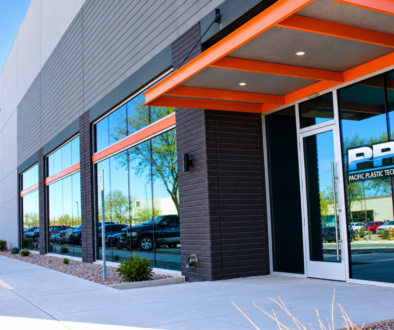
At Pacific Plastic Technology, we have manufactured plastic components since 1973. Our 36,000-square-foot facility in Mesa, Arizona, houses nine all-electric injection molding machines with press capacities from 90 to 610 tons. Along with molding, we provide tooling design and sourcing, secondary operations, assembly and packaging, allowing customers to keep more of the manufacturing process with one supplier.
What Custom Plastic Molding Means
Standard molding produces parts according to an established design and process. Custom plastic molding starts with the requirements of a specific component or product. That means looking at the part geometry, material, wall thickness, tolerances, expected production volume and intended use. Those factors influence how the mold should be designed and how the part should be produced.
For OEMs, bringing the molding manufacturer into the project early can help identify manufacturing concerns before tooling is finalized.
Start With Design and Manufacturability
The mold has a direct effect on how the finished part is produced. During the design stage, engineers need to consider features such as draft, wall thickness, parting lines, gates, ejection and cooling.
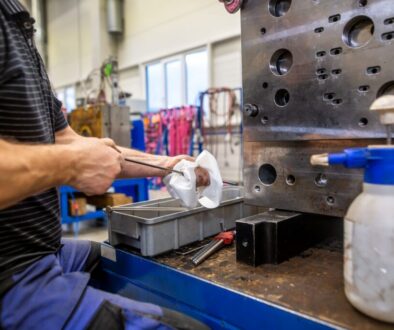
Tooling decisions can also affect cycle time, maintenance requirements and the cost of producing the part. Pacific Plastic Technology provides tooling design and sourcing, including support for prototype and production molds. Our team can work with customers on part requirements before the mold moves into production.
This early involvement gives the molding supplier an opportunity to identify potential issues while design changes are still easier to make.
Select the Material for the Application
The resin needs to match what the finished component will encounter. Temperature, chemical exposure, mechanical loads, appearance and environmental conditions can all influence material selection.
Material choice also affects processing behavior and mold design. Rather than treating resin selection as a separate purchasing decision, it makes sense to discuss the material alongside the part design and production requirements.
Mold Design, Sourcing and Validation
Once the design and material requirements are established, the next step is developing or sourcing the mold. The tool needs to support the required geometry, tolerances, production volume and molding process. Pacific Plastic Technology offers tooling design and sourcing as part of its manufacturing services. Our approach can cover both prototype and production tooling, giving customers a path from development into production.
Injection-Molding Production
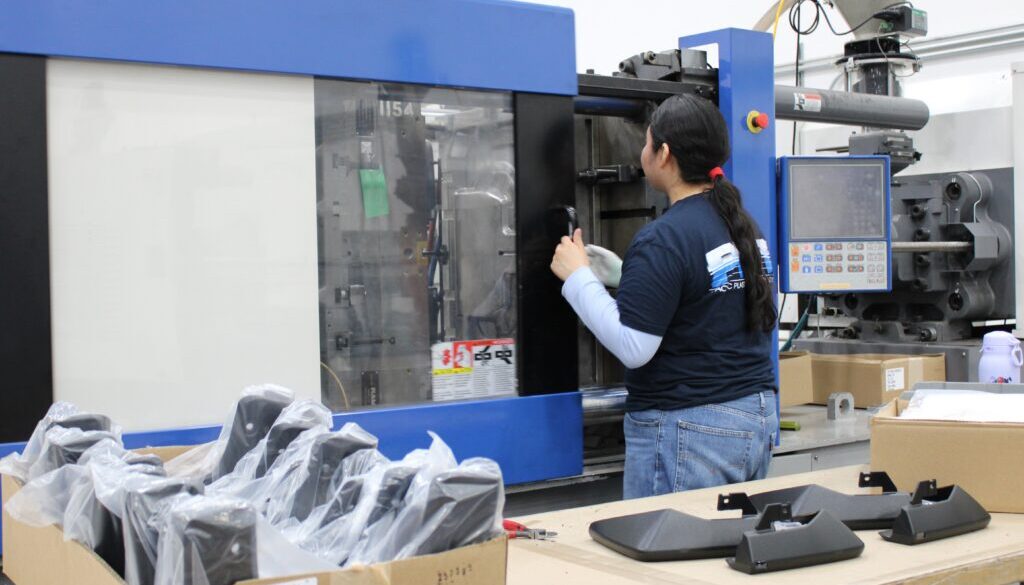
With the mold ready, production moves to the injection molding press. Pacific Plastic Technology operates nine all-electric machines ranging from 90 to 610 tons. This range allows us to produce different part sizes and configurations while maintaining process controls suited to the component.
For OEM applications, repeatability matters from one production run to the next. Consistent processing, inspection and documentation help keep molded components within the requirements established for the project.
Secondary Operations and Assembly
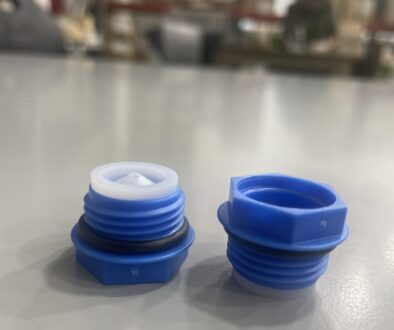
The molded part may not be the finished product. Depending on the application, additional operations can include sonic welding, component assembly, kitting and packaging. Keeping these operations with the molding supplier can reduce the number of outside vendors involved in the project. Instead of shipping molded components to one company for joining and another for final preparation, more of the work can happen at the same facility.
Pacific Plastic Technology specifically offers sonic welding, secondary operations, assembly and packaging. Our packaging services can also support retail-ready or bulk shipment requirements.
Packaging and Delivery Requirements
Packaging deserves attention before production begins. The way parts are packaged can affect handling, protection, counting and how easily they move into the customer’s operation.
For some projects, parts may need individual packaging or kitting. Other programs may call for bulk cartons or packaging designed around a customer’s assembly process. Discussing those requirements early helps connect molding, assembly and shipping into one production plan.
What to Look for in a Molding Partner
When evaluating a custom plastic molding supplier, ask:
- Can the supplier participate during design and manufacturability review?
- Can it design or source the required tooling?
- Does its press range accommodate the part?
- Can it perform secondary operations and assembly?
- Can it manage packaging requirements?
- Does it have experience in your industry?
- Can it support both development work and ongoing production?
- Can it maintain consistent processes and quality documentation?
Pacific Plastic Technology serves automotive, aerospace and battery, power-generation, firearms and industrial applications. Our services extend from tooling and injection molding through secondary operations, assembly and packaging.
The goal is to build a manufacturing process around the finished component rather than treating molding as an isolated step. When the same partner can support tooling, molding, secondary operations and assembly, there are fewer handoffs for the OEM to manage.
If you are developing a new molded component or reviewing an existing production program, contact us with your custom plastic molding project or request a quote from Pacific Plastic Technology.