Risk-Proofing Your Supply Chain with Arizona-Based Pacific Plastic Technology
Supply-chain disruptions can affect production schedules, material availability and delivery timelines. Having a plan for sourcing and inventory can help reduce the impact when conditions change for manufacturers that depend on molded plastic components. Dual-sourcing, nearshoring and inventory planning can help.
Dual-Sourcing Creates a Backup
Dual-sourcing means qualifying two suppliers for a component instead of depending on one source so that orders do not have to be divided evenly. The second supplier provides another option if the main source experiences capacity issues, material shortages, transportation delays or other problems.
Setting up a second source means reviewing tooling, materials, specifications, quality requirements and production processes ahead of time for molded plastic parts. Having that work completed before a disruption makes it easier to shift production when needed.
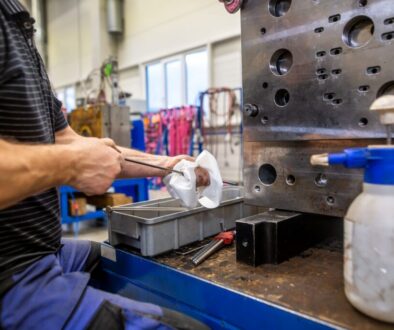
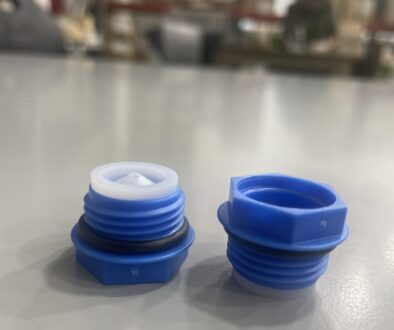
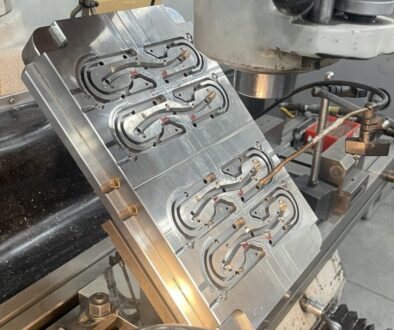
We provide injection molding, tooling design and sourcing, secondary operations, assembly and packaging from our Mesa, Arizona facility. So, when customers need a qualified second source, we can go over their tooling, materials and specifications ahead of time so production can shift quickly if conditions change.
Nearshoring Keeps Production Closer
Nearshoring moves manufacturing closer to the customer or final assembly operation. Shorter supply routes can decrease the number of transportation steps between the supplier and manufacturer.
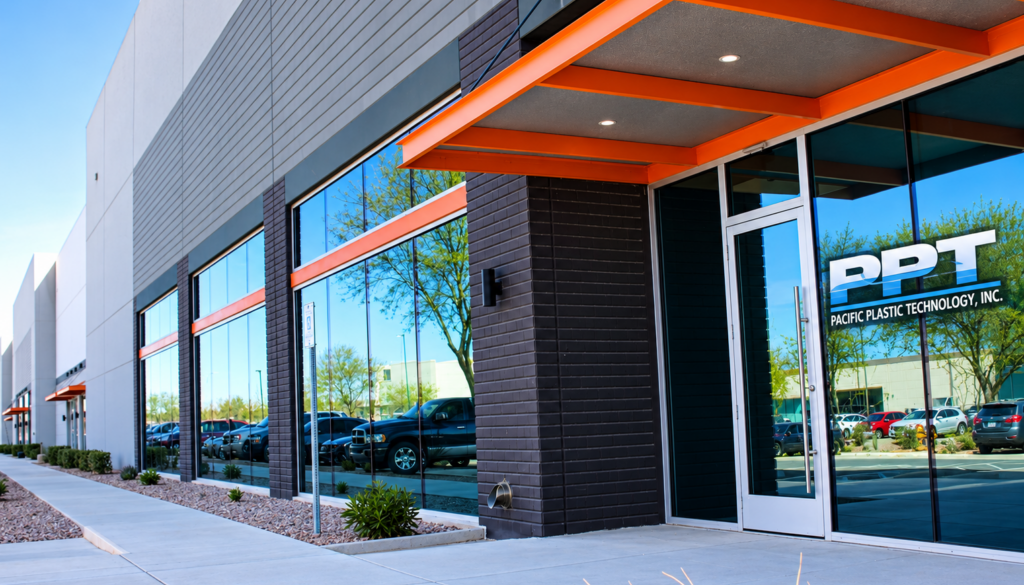
For companies operating in the western United States, domestic production in Arizona can provide an alternative to sourcing molded components from overseas.We operate a 36,000-square-foot facility in Mesa with nine all-electric injection molding machines ranging from 90 to 610 tons. We serve customers across the West Coast and nationwide.
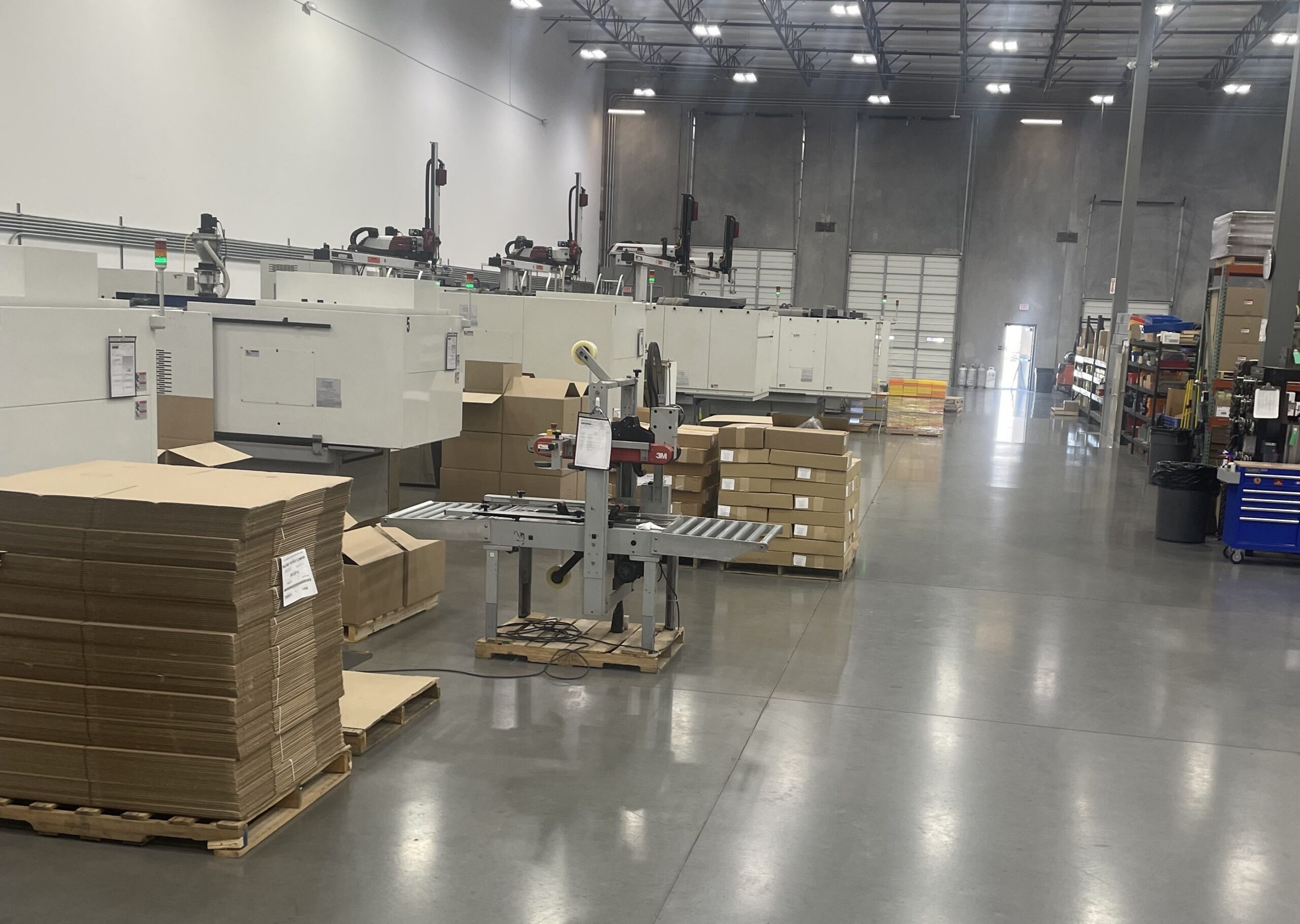
Nearshoring does not remove every supply-chain risk, but having production closer to the point of use can make transportation and communication easier to manage.
Inventory Programs Provide a Buffer
Inventory planning can provide additional protection when supply or transportation is interrupted. Instead of producing parts only when they are needed, manufacturers can maintain an appropriate amount of stock based on demand and production schedules.
We describe inventory buffering and kitting as part of our approach to managing supply changes.
The right inventory level depends on the application. Too little stock can leave production exposed to delays while too much can tie up storage space and working capital. A practical inventory program balances those factors against expected demand and supply conditions.
Putting the Strategies Together
Dual-sourcing provides another qualified source, nearshoring brings production closer and inventory planning creates a buffer when disruptions occur.
For manufacturers evaluating plastic injection molding suppliers, these factors can be part of a broader supply-chain strategy. Our Mesa operation combines injection molding with tooling, secondary operations, assembly and packaging, providing a domestic option for manufacturers looking to keep more production within the U.S. supply chain.